
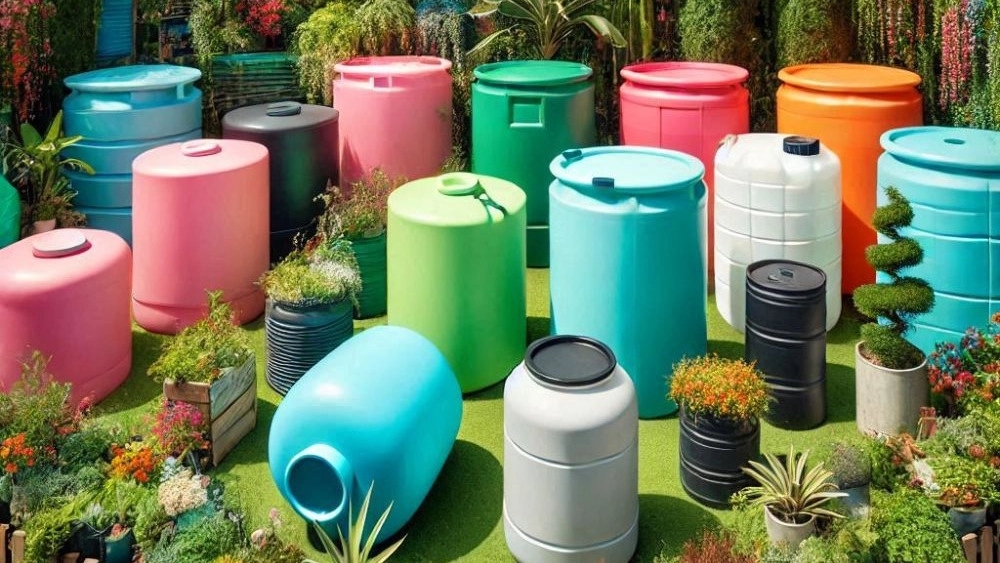
The antibacterial property of polyethylene tanks prevents sunlight and pollution from entering polyethylene water sources, which is considered one of the characteristics of polyethylene plastic water sources. Polyethylene tanks are also known by other names such as plastic tank, polyethylene tank, plastic source, polyethylene source, plastic tanker, polyethylene tanker, polyethylene water tanker.
The benefits of polyethylene tanks
One of the advantages of the polyethylene tank is the storage and management of water consumption. Having more control over water consumption and worrying about the wastage of drinking water is a problem in many different parts of the world today; These tanks, in addition to being a solution for drought and reducing rainfall, have different features and properties that make them a suitable alternative to metal tankers. In the following, we describe some of the characteristics of polyethylene tanks:
Types of Polyethylene Sai Plast Tank in Shiraz
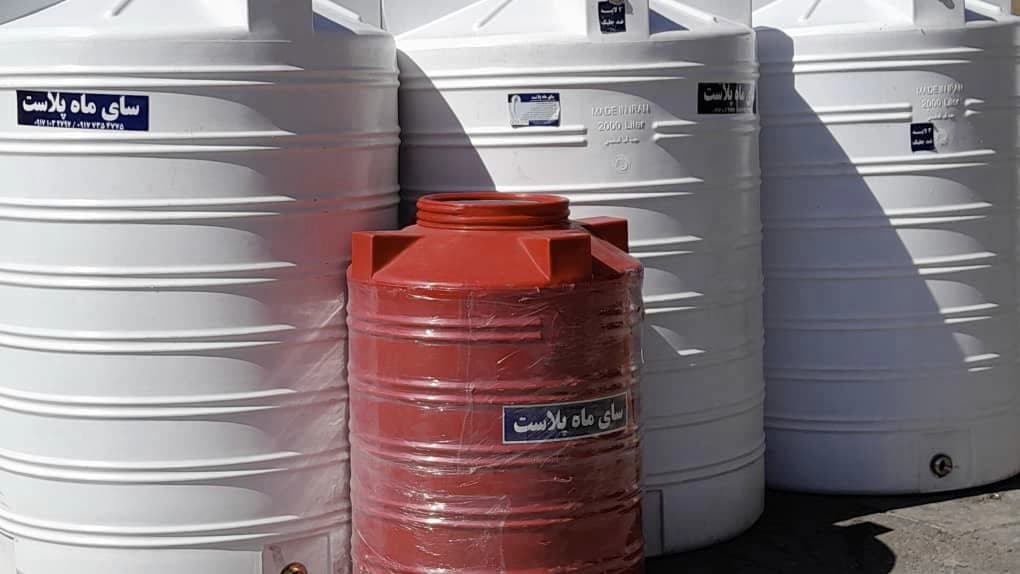
In another classification based on the number of tank layers, polyethylene tanks are divided into single-layer, three-layer, four-layer and four-layer foam types. Each of these tanks has a different use, and we will describe the types of these tanks and mention their uses:
Single -laminated Polyethylene Tanks:
Single-layer tanks are mostly used to store liquids other than water. The reason for this application is that these tanks are placed in the furnace only once and have high resistance. Contrary to the false belief that has been formed in relation to these tanks, the resistance of single-layer tanks is higher than three- or four-layer tanks.
Three -clad polyethylene tanks:
Three-layer tanks have a black layer in the middle of the other two layers of the tank, which causes no light rays to enter the tank; As a result, there is no change in the taste and smell of water. It should be said that the penetration of light rays is the main factor of algae closing the reservoirs.
Polyethylene tanks:
Four-layer tanks are mostly custom-made and are not very popular. Four-layer tanks, like three-layer tanks, are mostly used for water storage.
Foam Polyethylene Tanks:
This category of tanks are also mostly custom produced. In the production of four-layer foamed tanks, a special powder is used between the layers of the tank, which is called foam in common modification. This foam actually prevents heat transfer. The only difference between this tank and the four-layer tank without foam is its greater resistance to heat.
Polyethylene water installation
Improper installation of the plastic water source causes damage to the tank and reduces its resistance. The correct installation of the plastic water source must be done in accordance with the guidelines and instructions. We list some instructions for installing a polyethylene water tank in the following list:
- قبل از هر چیز، محل نصب مخزن باید مشخص شود. نحل نصب مخزن باید بدون شیب (شیب صفر درجه) و دارای فوندانسیون مناسب (بتن مسطح) باشد.
- اطراف مخزن باید به میزان ۲۵ سانتی متر فضای خالی داشته باشد. به طور مثال: در صورتی که مخزن در کنار دیوار قرار دارد، این فاصله باید رعایت شود.
- نصب مخازن پلی اتیلن نسبت به کاربرد آنها متفاوت است. به طور مثال: اگر بخواهیم مخزن دفنی را در زیر زمین نصب کنیم، باید از شیوهنامه نصب و ایجاد فوندانسیون متفاوت بهره ببریم.
- نصب لوله کشی مربوط به فشار آب، حتما باید در زمان نصب مخزن بررسی شود.
- نصب اتصالات مخزن نیز باید به درستی توسط کارشناس متخصص انجام شود.
Polyethylene tank is a kind of tank made of raw materials of high density and therefore has high resistance to impact and fragility. The use of antibacterial materials during the production of polyethylene tanks makes them resistant to pollution and germs, while these plastic tankers have many other features and properties that make them a good alternative to metal tanks. The types of polyethylene plastic water sources can be divided into two categories in terms of geometric shape and application, which generally makes them needed in different sectors of different industries.