
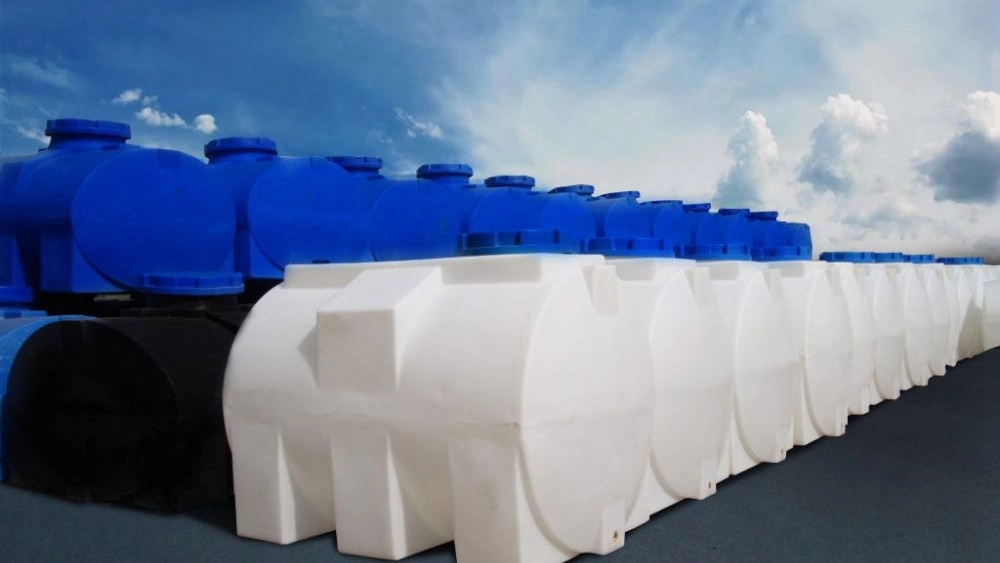
Polyethylene tank
The production of polyethylene tanks (polyethylene tank) is much more economical and useful than other tanks for several reasons. Among other things: the reasonable price of producing polyethylene tanks, compared to other metal and concrete tanks or even composites, the long life of polyethylene tanks and light weight, the ability to be quickly placed, whether full or empty, are other advantages of producing polyethylene tanks.
The production of polyethylene tanks is done by the (rotational modeling) method, this style of production of polyethylene tanks leads to the construction of completely integrated tanks. In addition, one of the advantages of this method is the ease of operation and adjusting the thickness of the tanks during the production of polyethylene tanks by increasing or decreasing the raw materials of polyethylene.
Polyethylene reservoir conditions
The production of polyethylene tanks has conditions that make them suitable for water storage, and for example, they have high non-toxicity, high resistance to pressure and chemical agents, and have smooth and washable surfaces, and in addition, tanks Polyethylene is generally more resistant to impact and requires less care and maintenance than stainless steel tanks, and for some reasons, polyethylene tanks are the most beneficial choice for marine and caravan, domestic, industrial and agricultural uses. Also, the production of polyethylene tanks for ships and light caravans is cheap and guarantees maximum corrosion resistance, and in addition, due to the non-toxicity of the materials, they can be used to store drinking water even for a relatively long time. After the production of the polyethylene tank, the installation of these tanks is very simple, and they are generally supplied with a complete fixing kit with inserts and brackets, and these features make the installation and maintenance of marine and caravan polyethylene tanks very easy and practical. slow.
In most cases, they are connected to the onboard water system, but if necessary, they can also be filled and emptied manually, and the production of polyethylene tanks for domestic use is light and in different shapes and colors. are available and are not bulky with the same capacity and the production conditions of the polyethylene tank guarantee the ease of installation and can be placed in relatively limited spaces, in balconies or verandas or in small internal shelters, which in addition, even the sample The larger ones are also quite useful and They are easily removable. For this reason, they are easily adapted to the different needs of a home environment, and the production of polyethylene tanks is used in water storage systems for industrial purposes, and the technologies used in the production of polyethylene tanks allow for easy mass production and the cost It greatly reduces the purchase and maintenance.
The process of producing polyethylene tank
In the beginning, the polymer, powder, UV protection material (UV filter) and approved color are combined and baked in the mold. Polyethylene granules are obtained from petrochemical companies approved by the Health, Food and Drug Organization of the country. This polymer is food grade and is approved for sanitary purposes. The food coloring used is titanium dioxide, which has antibacterial properties. For better shaping and color homogenization, the extrusion method and the extruder machine are used.
During the production process of the polyethylene tank, the resulting mixture is spread uniformly by rotating the mold in two directions of 360 degrees. Next, the tank is separated from the mold after lowering the temperature in the cooling room. In order to maintain the shape of the tank during cooling, the cycle continues. At this stage, the appearance of the tank is completed by cutting the appendages. When the raw material of epoxy or unsaturated polyester resin has a curing agent, the heating and cooling method is not used. The structure of these raw materials is done in a single layer in a rotary molding machine without heating.
The rotational molding method is very easy and it is possible to adjust the thickness or degree of resistance to ultraviolet rays by changing the amount of raw materials. At the end, in the quality control department, tensile test, mechanical impact test, thickness control, etc. are performed on the tank so that the final product is prepared according to the standard for the market.
Choose the best tank
Polyethylene reservoir manufacturing products
Vertical Tanks
Vertical tanks with optimal design and occupying less space are an excellent option for storing liquids in limited environments. These tanks are widely used in food and chemical industries due to their resistant structure and ability to withstand pressure and impact. Also, vertical tanks have features that ensure their high stability and strength against temperature fluctuations and different environmental conditions.
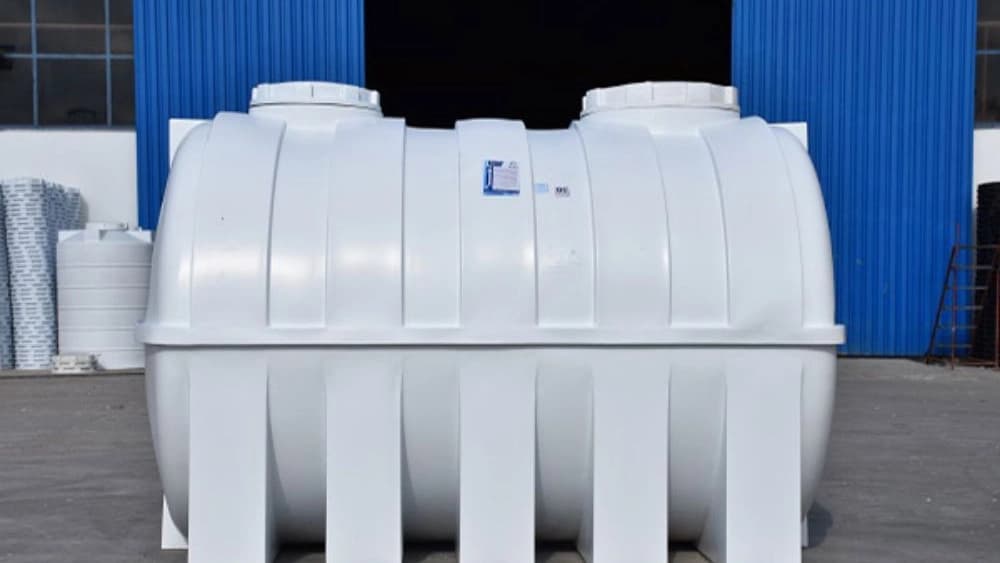
Horizontal tanks
Horizontal tanks with larger capacities and suitable design for open space are very suitable for storing materials on a large scale. These tanks with easy access and portability are used in various industries including agriculture and oil and gas. The special design of these tanks is such that it prevents contamination from entering the internal contents, which makes them an ideal option for storing sensitive materials.
After -sales service and warranty of polyethylene tank manufacturing plant
Product Quality Guarantee
Guaranteeing the quality of products by providing a warranty can assure buyers that they can easily use after-sales services in case of any defects in the product. These services may include on-site repairs, replacement of defective parts, or even product refunds. Due to the importance of quality assurance, companies usually strive to produce and supply their products with the highest standards to meet the needs of customers.
Support and after-sales service
Support and after-sales service is one of the key factors in customer satisfaction. These services can include providing technical advice, on-site repairs or sending spare parts. Companies usually have expert teams to provide these services so that customers can benefit from them quickly and efficiently in case of any problems. Also, providing proper after-sales services can help increase customer trust and strengthen long-term relationships with them.